Husk: Flexible Life Buildings – Relocatable Construction

Flexible Life Buildings – Relocatable Construction

Husk a redeployable and reusable, low carbon, building system developed for use on urban, meanwhile, or temporary spaces

Build
Reuse
Regenerate
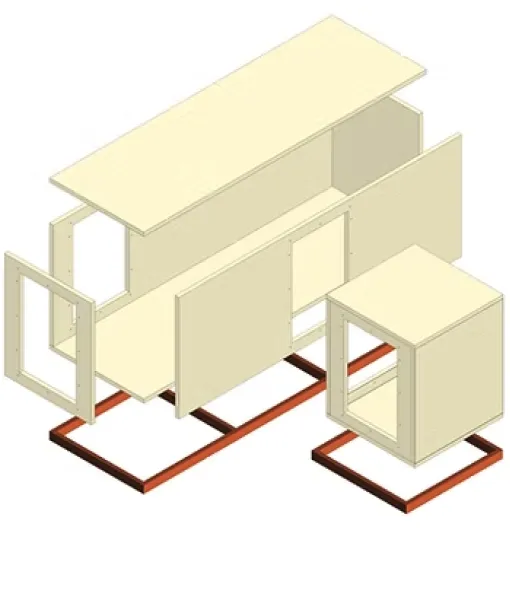
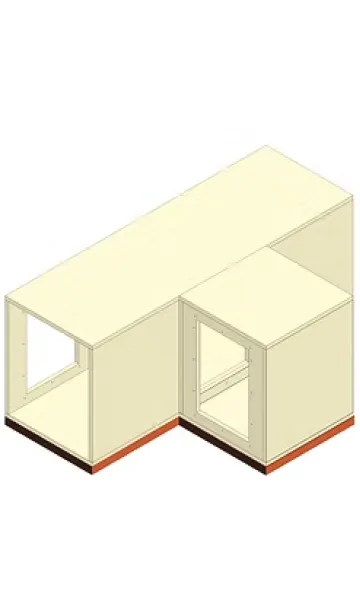
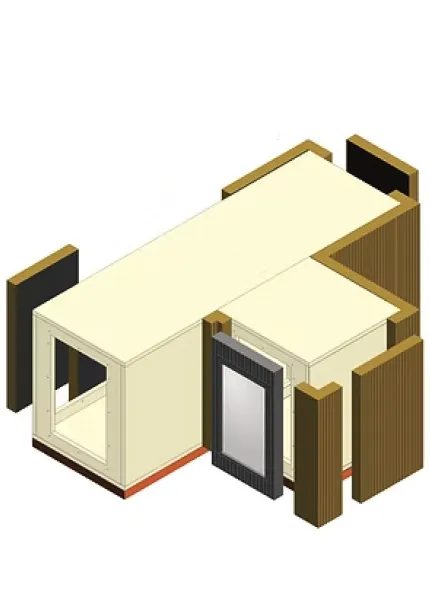
Build plan
Construction

Features

Husk: core system

The Husk system is designed following the principles of resource-efficient Design for Deconstruction. As Flexible Life Buildings, they are created to be reused, redeployed, and adapted in situ.

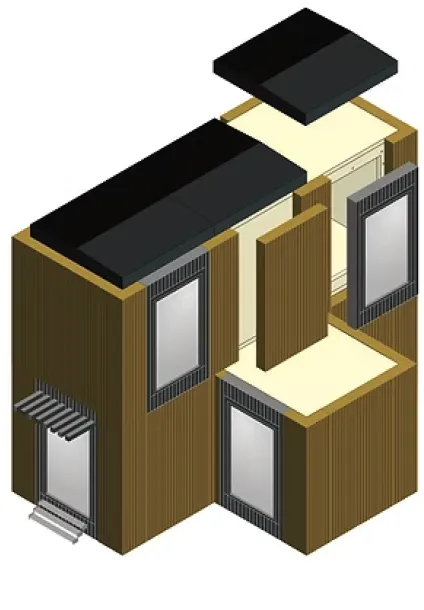
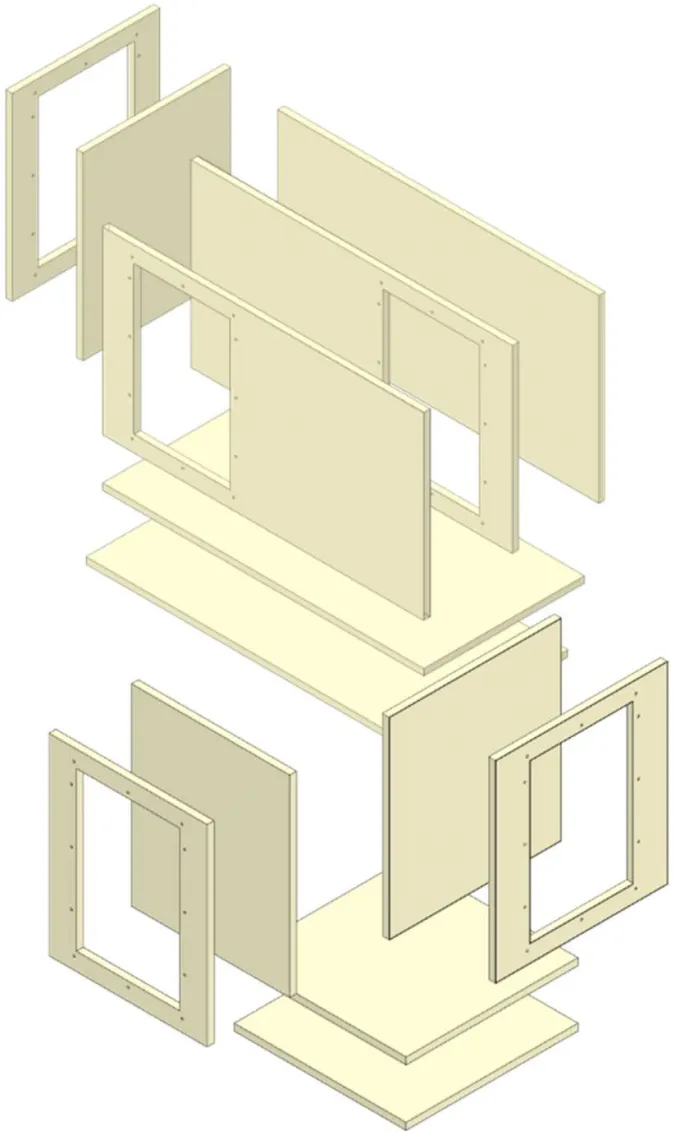
The system comprises of an evolving range of modules and accessories that can be used individually or combined to form larger buildings and structures, offering scalable and adaptable solutions for evolving needs.

Follows principles of Design for Deconstruction

Reusable and adaptable

Offers flexibility and scalability

Husk: resource efficient building

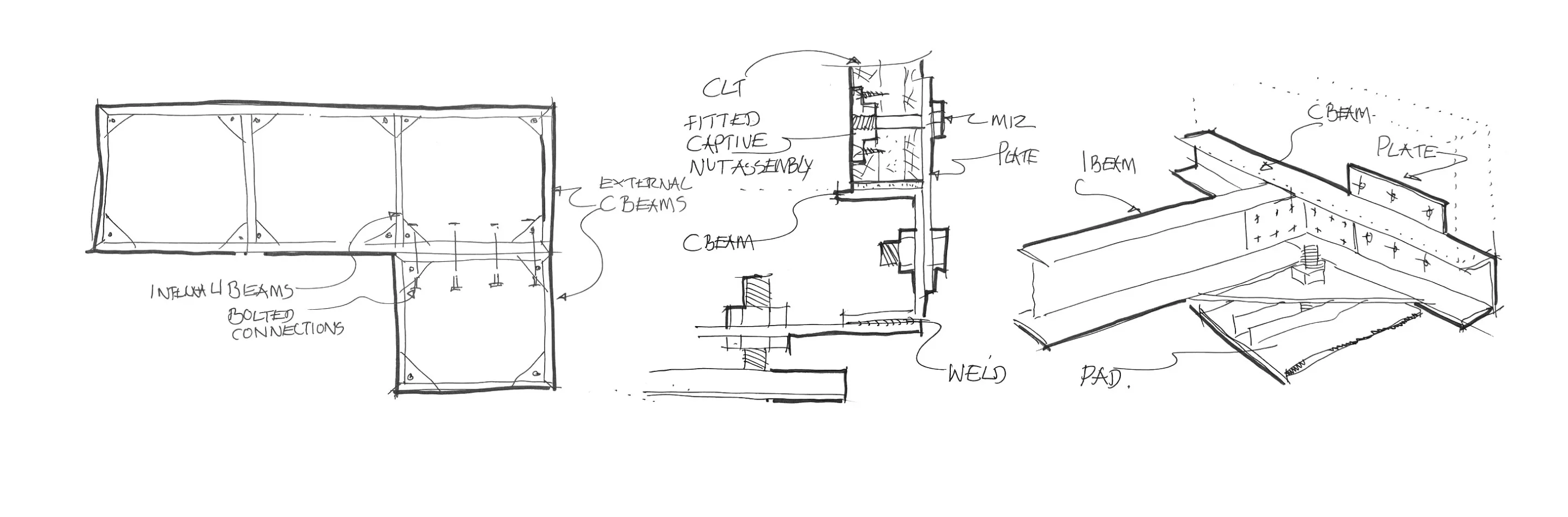
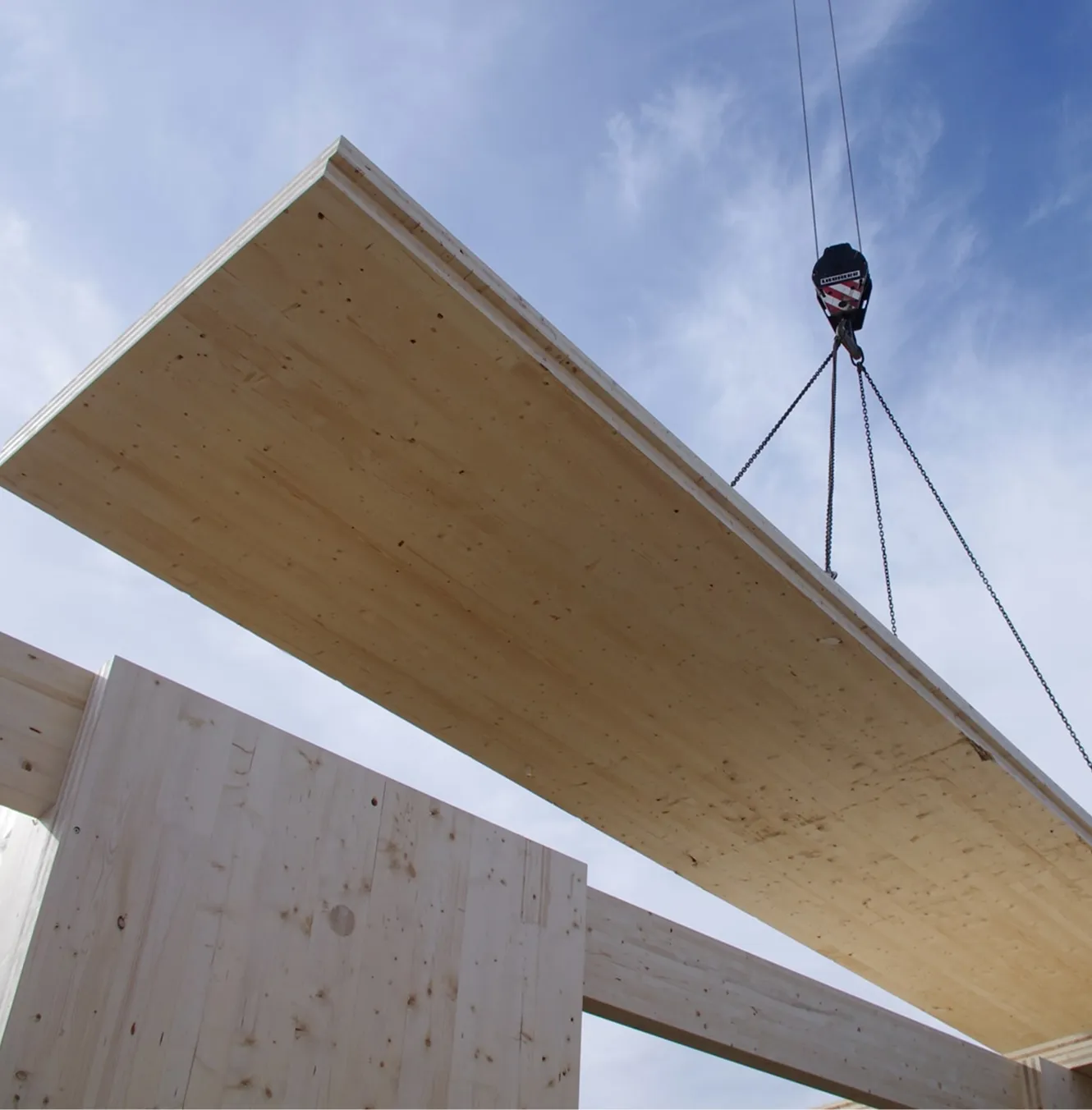
The key to the Husk system lies in its ability to seamlessly integrate both new, reused, or recycled components within a single build. The core structure is formed using mass timber CLT panels. Ancillary components such as cladding, doors, windows, and roofing are designed to fit to the modules utilising standard universal connections.

This enables easy assembly, use and reuse. Component standardisation gives Husk the ability to use a wide range of materials for their builds – taking advantage of resource-efficient building technologies; to lessen Husk’s impact on the environment.

Integrating recycled components

Standardised Universal Connections

Reducing environmental impact

Husk: foundationless construction

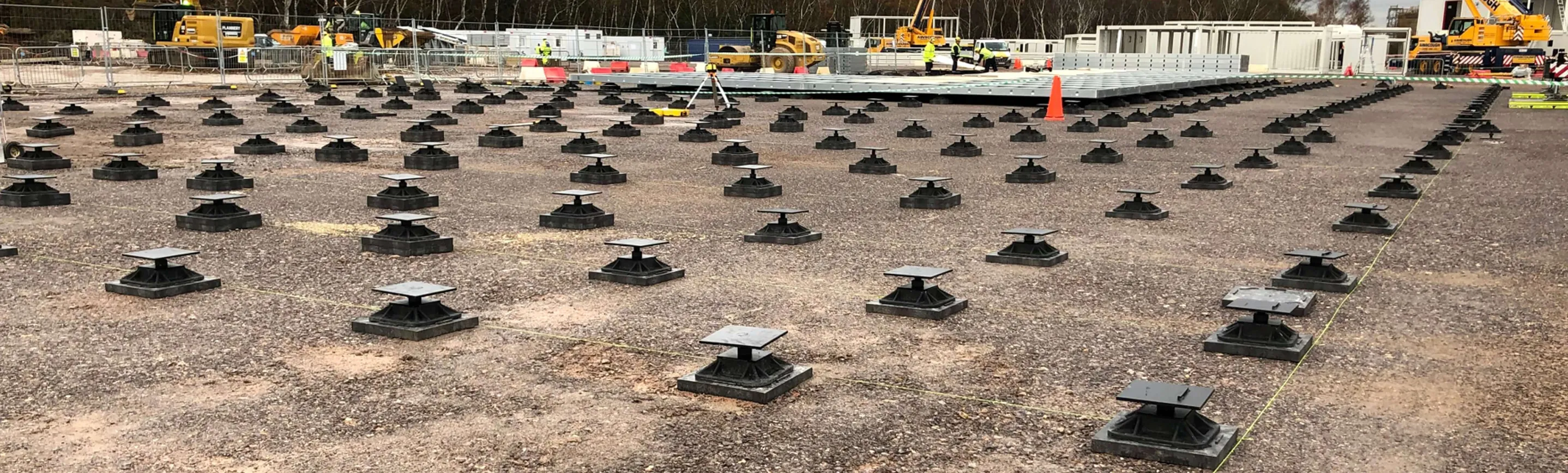
Foundationless construction delivers clear practical and environmental benefits by minimising ground disturbance and removing the need for resource-intensive concrete foundations. By siting modules on prepared ground and supported by adjustable steel pads or retractable foundation systems, it enables faster installation, reduced costs, and far greater flexibility—allowing sites to be fully restored once a structure is removed. This makes it particularly well suited to constrained or sensitive locations that are often unsuitable for traditional building methods.

The approach also supports easy relocation, adaptation, and reuse, extending the life of both the structure and its components. By eliminating conventional foundations, it significantly reduces embodied carbon, limits excavation waste, and protects natural ground conditions—making it a low-impact solution aligned with circular design principles..

Foundationless construction

Rapid deployment and redeployment

Fully adaptable and reusable

Husk architectural plan
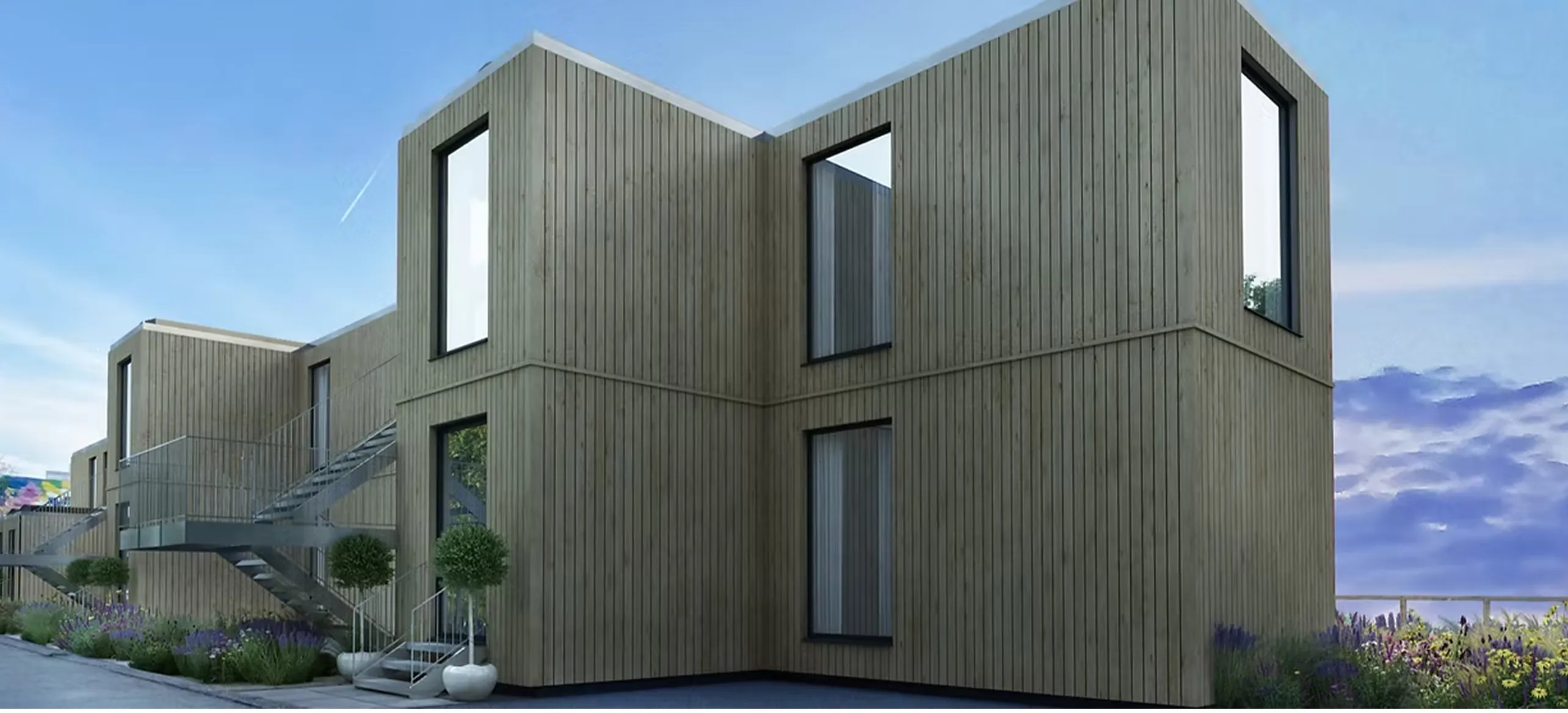
Husk render

Husk: work with us

HUSK works with clients, architects and delivery teams to deliver flexible, resource-efficient buildings based on the principles of the Circular Economy.

With our partners at Claire Robertson Architects, alongside a network of specialist suppliers, contractors and engineers we collaborate — bringing together design quality and technical rigour.

HUSK is particularly well suited to urban infill, constrained sites and meanwhile use projects, where adaptability reuse and efficiency are critical.