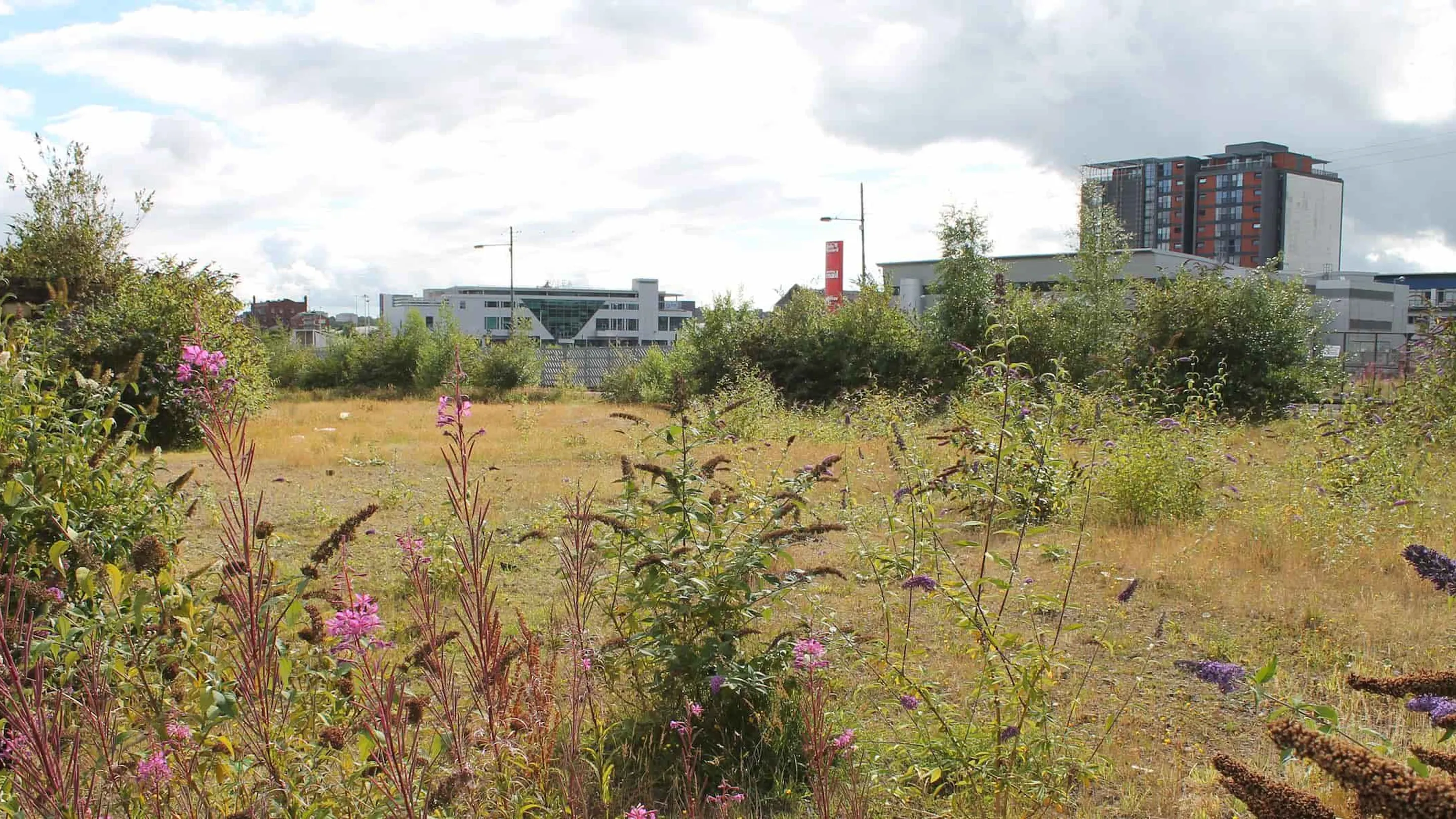
HUSK has been developed to unlock land and spaces that are typically overlooked or deemed unviable for permanent construction—whether due to challenging ground conditions, restricted access, limited timescales, or constrained site footprints. embracing a lightweight, adaptable approach, HUSK enables high-quality, sustainable buildings to be deployed quickly and efficiently where conventional methods fall short.
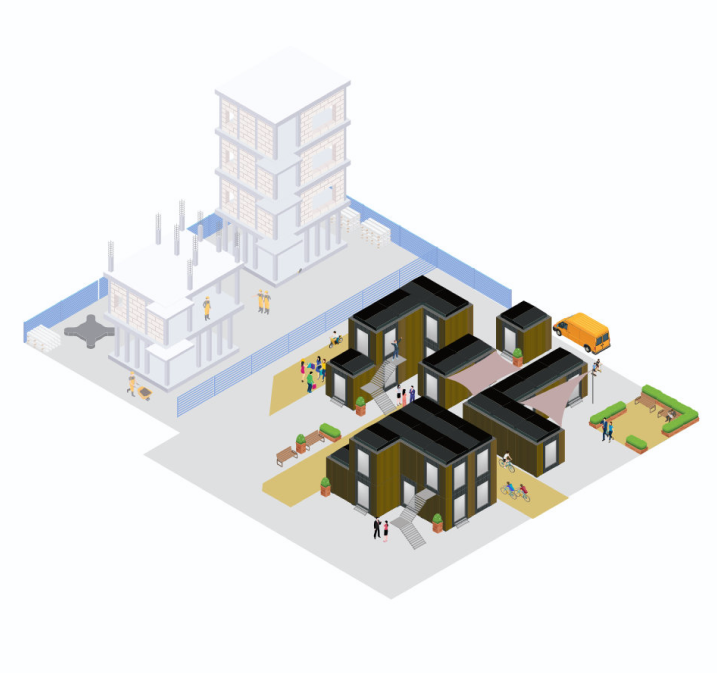
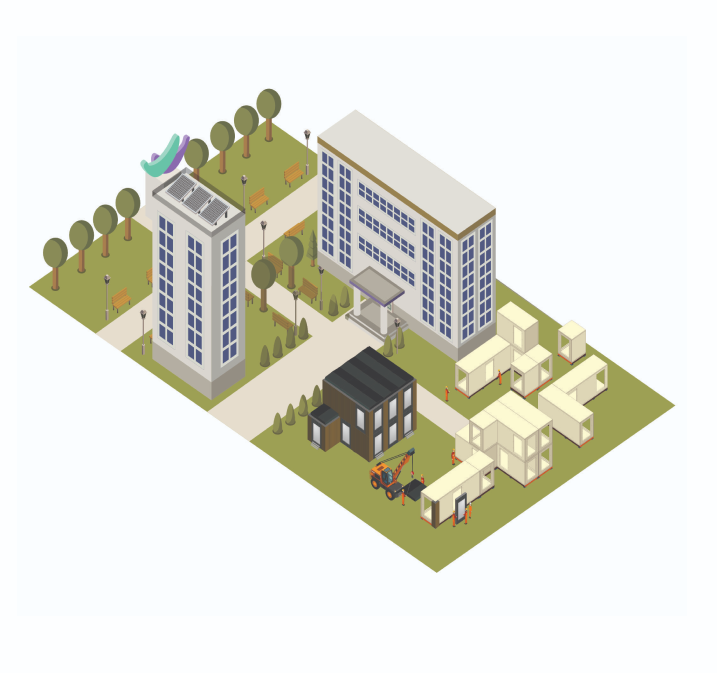
Within wider regeneration strategies, HUSK modules play a critical role in activating underused or stalled sites. They can be introduced onto undeveloped parcels of land during phased construction programmes, bringing immediate purpose and presence to areas that might otherwise remain vacant for extended periods
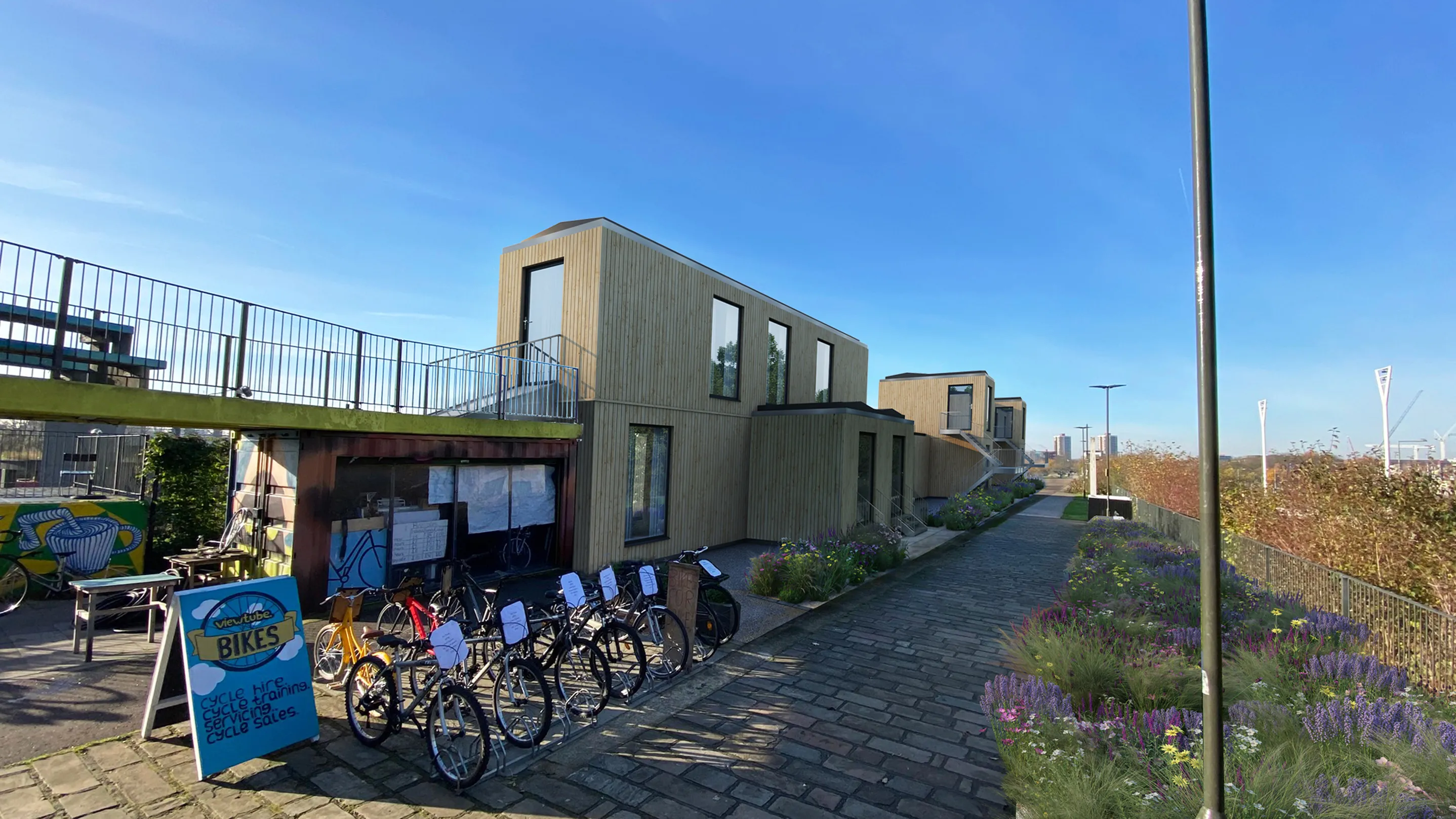
HUSK is effective as a standalone solution for meanwhile use, transforming dormant or transitional spaces into productive environments that can support a wide range of uses—from commercial, community and cultural. In doing so, it has the potential to generate revenue, encourage local activity, and de-risk longer-term development. Its inherent flexibility also allows modules to be relocated and redeployed across a site as construction phases evolve, maximising land use over time without creating waste or permanent impact. In this way, HUSK supports a more responsive, circular approach to regeneration—one that prioritises adaptability, sustainability, and long-term value.